Is Walnut a Good Wood Floor for a Palm Beach Home?

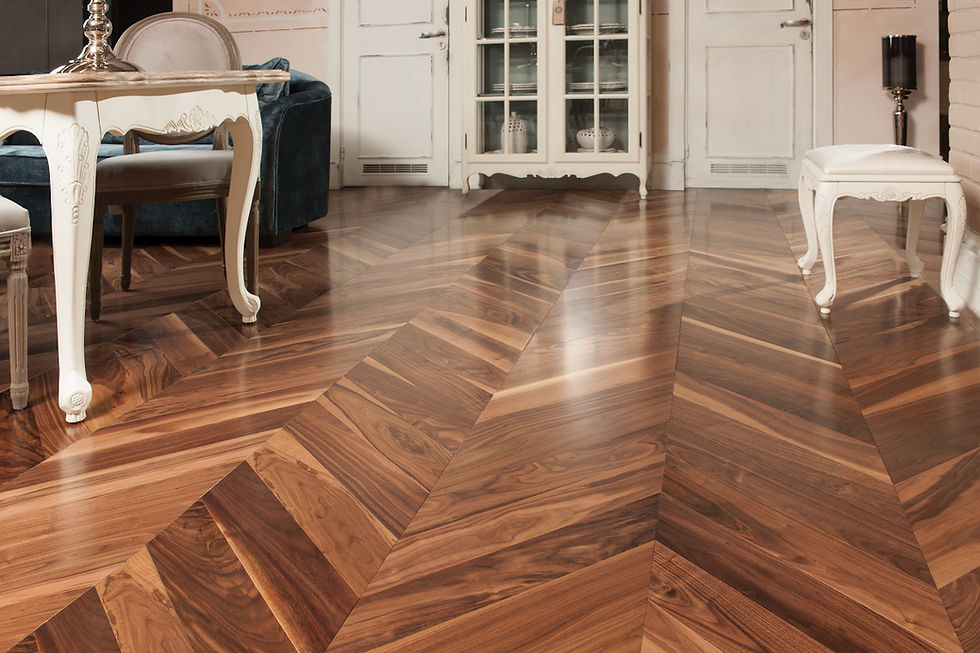
What American black walnut brings to a Palm Beach floor, where it needs care, and how to specify it well.
Planning a project? Talk with Joe Avila: call 908-232-6600 or book a virtual consultation.
Walnut is the wood people reach for when they want a floor with depth: rich chocolate tones, a soft figure and a quiet luxury that oak rarely matches. In a bright coastal house it can be striking, as long as you understand how it ages and wears. Here is what to weigh, alongside our broader comparison of white oak, red oak and walnut.
Why Walnut Appeals

American black walnut, Juglans nigra, is one of the few North American hardwoods with a naturally dark heartwood. No stain is needed to reach a deep brown, so the color goes all the way through the board and scratches show less contrast than they would on a stained oak, one reason it sits so well beside exotic species in high-end homes.
Its grain is generally straight with gentle waves and occasional figure, and boards vary from light brown to deep chocolate, sometimes with purple or grey undertones. That natural range is part of its character, and it pairs well with brass, marble and the warm palettes of classic Palm Beach interiors.
How Walnut Handles Humidity

Walnut is considered a reasonably stable species, generally moving less than red oak as moisture changes. That is a real advantage in Palm Beach humidity, but it does not remove the need for a tested slab and steady indoor air.
As with any species, width matters. Wide solid walnut planks move more than narrow ones, so for wide boards over a slab, an engineered walnut with a stable core is usually the safer route, a choice we explain in engineered versus solid.
Softness and Everyday Wear

Walnut is softer than oak. On the Janka scale it measures roughly 1,010 pounds, against 1,360 for white oak, so heels, dropped objects and pets' claws will mark it more easily. Our notes on dents in wood floors explain why this matters.
Many owners accept that softness as part of a floor that ages with character, and its dark color helps hide small marks. Felt pads, rugs in busy areas and a satin or matte finish go a long way toward keeping it looking composed.
Considering walnut for your home? Talk it through with Joe Avila.
Walnut in South Florida Light

Walnut behaves unusually in sunlight. Where most woods darken with light, walnut tends to lighten and warm over time, drifting from deep chocolate toward a softer, more golden brown. In rooms full of glass facing the water, that change can be noticeable within the first years, and it is worth knowing before you pair the floor with furniture and rugs you plan to keep.
Plan for it. Move rugs and furniture now and then so they do not leave darker outlines, consider UV-filtering glass or shades in the brightest rooms, and read our guides to discoloration and light and dark floors before you commit.
The Specialist Detail: Steamed or Natural Walnut

Walnut has pale sapwood near the bark and dark heartwood at the center. Much commercial walnut is steamed before drying, which darkens the sapwood so it blends with the heartwood, giving a more uniform, slightly muted brown. Unsteamed walnut, often called natural, keeps more contrast and often a warmer, livelier color, closer to what many people picture when they think of wide plank floors in a country house.
Neither is better; they read very differently. Ask which one you are being quoted, and look at boards from the actual lot rather than a single sample, because the mix of sapwood, color and figure varies. It is the same care we take when matching existing floors, and it settles the look before a single board is installed.
Finishes That Suit Walnut

Walnut rarely needs stain. A clear finish lets its natural color speak, and a penetrating oil deepens the figure and keeps a soft, natural luster that suits the wood well. Our comparison of oil and polyurethane covers how each wears.
A waterborne polyurethane gives more resistance to spills and grit, useful in a kitchen or a family room. Keep the sheen low: on a dark floor, high gloss shows every footprint, speck of sand and fine scratch, while matte and satin hide them. Our care and maintenance guide covers the routine that keeps either finish looking settled.
Want to compare walnut samples? Book time with Joe Avila.
Patterns and Plank Widths

Walnut works in plank and pattern alike. Wide planks show its figure best and suit calm, modern rooms. In herringbone or chevron, the color variation between boards becomes part of the pattern, a look we compare in herringbone or chevron.
Walnut is also used as a contrasting border or inlay around a lighter oak field, a classic detail in formal rooms and one that echoes the traditions behind Versailles parquet. Patterns need more planning and a careful layout, so they are best decided early.
Where Walnut Works Best

Walnut is at its best in living rooms, libraries, dining rooms and primary suites, where its depth reads beautifully and traffic is moderate. In a busy kitchen or an entry from the beach, a harder species or engineered walnut with a durable finish may serve better, as our notes on pets and wood floors suggest.
The surest way to decide is to see walnut in your own light, beside your stone, fabrics and cabinetry. Order physical samples and view them morning and evening before you choose.
Quick Answers
Is walnut good for flooring in humid climates? Walnut is reasonably stable and generally moves less than red oak, but it still needs a tested slab and controlled indoor air. Engineered walnut is the safer choice for wide boards over concrete.
Is walnut harder than oak? No. Walnut measures roughly 1,010 pounds on the Janka scale, against 1,360 for white oak, so it dents and scratches more easily.
Does walnut flooring change color in sunlight? Yes. Unlike most woods, walnut tends to lighten and warm with light, moving from deep chocolate toward a softer golden brown.
What is the difference between steamed and natural walnut? Steaming darkens the pale sapwood so it blends with the heartwood for a more uniform brown. Natural walnut keeps more contrast and often a warmer color.
Talk to a Palm Beach Wood Flooring Specialist
Call Joe Avila at 908-232-6600 (9 a.m. to 5 p.m. Eastern), email joe@hugginsflooring.com or book a virtual consultation. You can also explore inspections and consultations, wood flooring samples and our collections.
About The Author
Joe Avila leads Palm Beach Wood Floors, a Huggins Wood Floor Specialist brand, and brings 26 years of hands-on wood flooring experience. He is an NWFA-certified wood flooring inspector, installer and sander, and for more than a decade he has taught accredited continuing education programs for AIA, ASID and IDCEC audiences, training thousands of architects and design professionals in the proper specification of wood flooring.


Comments