Oil or Polyurethane: Which Finish Suits a Palm Beach Wood Floor?

Updated: Nov 17

How oil and polyurethane finishes compare on a Palm Beach floor, and how to choose between them.
Planning a project? Talk with Joe Avila: call 908-232-6600 or book a virtual consultation.
The finish is the part of a wood floor you actually walk on, and it shapes how the floor looks, feels and ages more than most people expect. In Palm Beach the choice usually comes down to two families, penetrating oils and film-forming polyurethanes, and each answers the coastal climate differently. Here is how to decide.
Two Ways to Protect Wood

A polyurethane builds a thin, clear film on top of the wood. It forms a barrier between the floor and everything that happens on it, from spilled wine to sandy feet. Most modern floors carry some version of it, whether applied at the factory or on site, a difference we explain in prefinished versus site-finished floors.
An oil finish works the other way. It soaks into the top fibers of the wood and hardens there, so the floor is protected from within and the surface still feels like wood. Hardwax oils, often seen on wide plank floors, add waxes for a little more surface resistance while keeping that natural, open look.
What Polyurethane Does Well
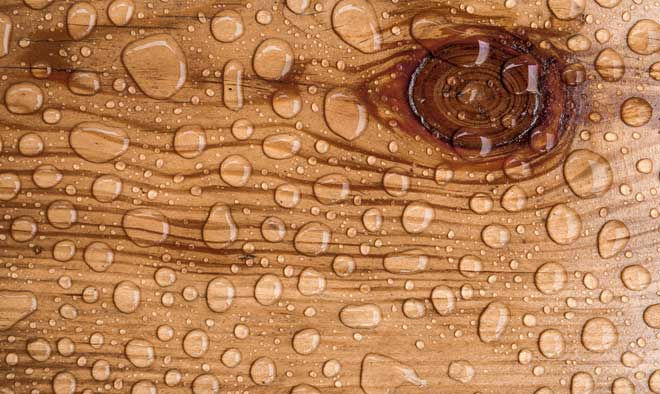
Polyurethane's strength is resistance. Water beads on it, everyday spills wipe away, and routine care is little more than sweeping and a damp mop. For a busy kitchen, a family room or a home with pets, that low daily effort is hard to beat, as our notes on pets and wood floors explain.
There are two main kinds. Oil-modified polyurethane warms and ambers over time, which can flatter red oak but yellows a pale floor. Waterborne polyurethane stays much clearer, which is why it is usually chosen for light white oak and the soft, bleached tones many coastal interiors favor. Either can be specified in a range of sheens, from satin to the matte finishes that hide wear best.
What Oil Does Well

Oil gives the most natural look and feel. There is no film to catch the light, so the grain reads clearly and the floor has a quiet, low luster that suits European oak and wide planks especially well.
Its real advantage is repair. A scratched or worn area on an oiled floor can usually be cleaned, lightly abraded and re-oiled on its own, blending into the rest. A film finish, by contrast, often needs a whole room recoated or sanded to hide the same damage. The tradeoff is upkeep: oiled floors need periodic maintenance oil and more prompt attention to spills.
Not sure which finish fits your floor? Talk it through with Joe Avila.
Humidity, Sand and Salt Air

Neither finish stops a floor from moving with humidity. That depends on the wood, the slab and the air, which is why the indoor climate matters as much as the coating, especially in a seasonal home that sits closed for months.
Sand is the bigger daily threat near the beach. Fine grit carried in on shoes acts like sandpaper on any finish. A film finish shows it as dulled traffic lanes; an oiled floor shows it as dry, pale patches. Good mats at every door, frequent sweeping and felt pads under furniture protect both, and they are among the simplest ways to avoid the common damage we see.
Sunlight and Color
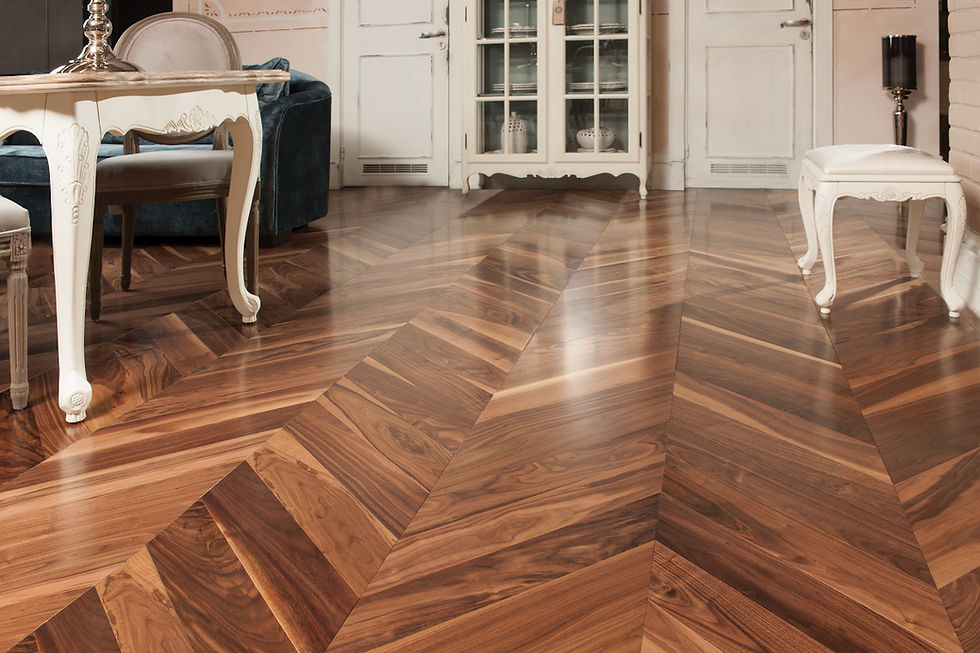
South Florida light changes every floor, and the finish affects how. An oil-modified polyurethane adds its own amber tone as it ages, on top of the natural color change in the wood. A waterborne finish or a clear oil lets the wood's own aging show without that extra warmth, which matters most on white oak.
For a pale floor in a room full of glass, that distinction matters. Test the finish on the actual species, view it in the room at different times of day, and read our guides to light and dark floors and discoloration before you commit.
The Specialist Detail: Rags, Cure Times and Recoats

Rags used with oil finishes can heat up and catch fire on their own as the oil cures. A careful crew lays used rags flat outdoors to dry, or submerges them in water in a sealed metal container, before disposal. It is worth asking about on any job that uses oil, including a maintenance coat, and part of planning any finishing project.
Cure time is the second detail. A finish can feel dry within hours yet take days or weeks to reach full hardness, so follow the manufacturer's guidance on furniture and rugs. Finally, the two systems do not mix freely: a polyurethane generally cannot go over an oiled or waxed floor without full sanding, so the choice you make now shapes every future refinishing.
Planning a refinish or a new floor? Book time with Joe Avila.
Which Rooms Suit Which Finish

Many homes use both. A waterborne polyurethane suits kitchens, family rooms, entries and rooms that open to the pool, where spills and grit are constant, much as with kitchen floors. An oil finish suits living rooms, bedrooms, libraries and dressing rooms, where its look and easy spot repair shine and traffic is gentler.
Keep the transition between finishes at a doorway or threshold so the change in sheen is never noticed. If you are deciding room by room, our guide to the best rooms for wood flooring is a useful companion, and comparing finished physical samples in each room settles most questions.
Maintenance Over the Years

A polyurethane floor is cleaned with a pH-neutral cleaner made for finished wood, and when it starts to look tired it can often be screened and recoated rather than sanded, as we describe in buffing, refinishing or replacing.
An oiled floor is cleaned with a soap made for oil finishes, which leaves a little oil behind each time, and refreshed with a maintenance oil when it looks dry. Done on schedule, that routine can keep an oiled floor looking settled for many years. Our care and maintenance guide covers both.
Quick Answers
Is oil or polyurethane better for a Palm Beach floor? It depends on the room. Waterborne polyurethane suits kitchens, entries and pool-side rooms; oil suits living rooms and bedrooms where its look and easy spot repair matter most.
Does polyurethane turn wood yellow? Oil-modified polyurethane ambers over time. Waterborne polyurethane stays much clearer, which is why it is usually chosen for pale white oak.
Can you repair an oiled wood floor in one spot? Usually, yes. A worn or scratched area can often be cleaned, lightly abraded and re-oiled on its own so it blends in, without refinishing the whole room.
Can I put polyurethane over an oiled floor? Generally not without full sanding. The two systems do not bond reliably, so changing from oil to polyurethane means sanding back to bare wood first.
Talk to a Palm Beach Wood Flooring Specialist
Call Joe Avila at 908-232-6600 (9 a.m. to 5 p.m. Eastern), email joe@hugginsflooring.com or book a virtual consultation. You can also explore inspections and consultations, wood flooring samples and our collections.
About The Author
Joe Avila leads Palm Beach Wood Floors, a Huggins Wood Floor Specialist brand, and brings 26 years of hands-on wood flooring experience. He is an NWFA-certified wood flooring inspector, installer and sander, and for more than a decade he has taught accredited continuing education programs for AIA, ASID and IDCEC audiences, training thousands of architects and design professionals in the proper specification of wood flooring.


Comments