White Oak vs. Red Oak vs. Walnut: Which Wood Floor Is Best for Palm Beach Homes?

Updated: Nov 15
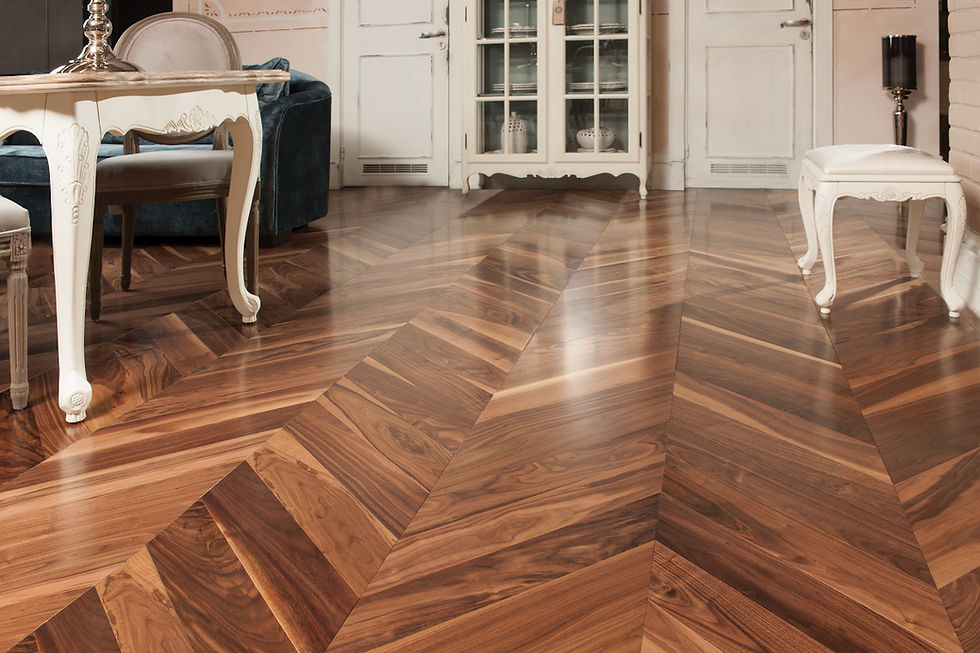
Compare white oak, red oak and walnut floors for Palm Beach homes: hardness, color, grain, sunlight, humidity and which suits your lifestyle best.
Planning a project? Talk with Joe Avila: call 908-232-6600 or book a virtual consultation.
White oak is the most versatile choice for most Palm Beach homes: it is hard, has a tight grain and takes light, natural and grey tones well. Red oak is slightly softer, has a warmer pinkish tone and a bolder grain. Walnut is the softest of the three and dents more easily, but it offers a rich, dark brown color no stain can fully copy. Your choice comes down to the look you want, how much wear the floor will see and how much sun reaches it.
White Oak at a Glance

White oak has a tan to light brown color with a tight, even grain. Because it has little red or pink undertone, it suits natural, light, greige and grey finishes that fit coastal Palm Beach interiors. It is available plain sawn, rift sawn and quarter sawn, and it is a common choice for wide plank floors.
Hardness: about 1360 on the Janka scale.
Look: neutral, tan tones and a calm grain.
Best for: light and natural looks, wide planks and busy homes.
Red Oak at a Glance

Red oak has a warmer, pinkish tone and a more open, pronounced grain pattern. It takes stain evenly and has long been one of the most widely used hardwood floors in American homes. Its pink undertone can show through light or grey stains, so it is usually best in natural or warm brown tones. Our post on the pros and cons of oak flooring goes deeper on the two oaks.
Hardness: about 1290 on the Janka scale.
Look: warm tones and bold grain.
Best for: traditional rooms and warm or medium brown stains.
Walnut at a Glance

American black walnut has a natural chocolate brown color, often with lighter sapwood streaks, and a smooth, flowing grain. It looks rich and formal without any stain. It is also the softest of the three, so it shows dents from heels, furniture and pets more easily.
Hardness: about 1010 on the Janka scale.
Look: deep, natural brown with color variation.
Best for: bedrooms, formal living and dining rooms, and lower-traffic areas.
Weighing species, pattern or finish? Talk it through with Joe Avila.
Hardness and Everyday Wear

The Janka test measures how much force it takes to press a steel ball halfway into the wood. White oak and red oak are close, while walnut is softer. The finish also plays a big role: a matte or low-sheen finish hides small scratches better than a high gloss. If you have dogs or a busy household, read pets and wood flooring before you decide.
Color, Sunlight and Palm Beach Light

South Florida sun is strong, and every wood floor changes color with light. Oak tends to warm and amber over time, while walnut tends to lighten. Rooms with large windows or glass doors to the pool see the most change. UV-filtering window film, shades and moving rugs now and then help the floor age evenly. For help choosing a tone, see light vs. dark wood and our color collections.
Humidity and Stability in South Florida

All three species expand and contract with changes in humidity. White oak's closed cells help resist moisture getting into the wood, but no species is waterproof. In Palm Beach, choosing an engineered construction where it fits, letting the flooring acclimate and keeping indoor humidity steady matter more than the species. Read the best wood flooring for Palm Beach humidity and engineered vs. solid hardwood.
Have a floor plan or a floor that needs attention? Joe Avila can review it with you.
Which One Should You Choose?

Choose white oak for a light, natural or grey look, wide planks, or a busy home.
Choose red oak for a warm, traditional look or warm brown stains.
Choose walnut for a rich, dark floor in rooms with lighter foot traffic.
Whichever species you pick, you can have it prefinished or site-finished. The best way to decide is to see samples in your own light, so order wood flooring samples or browse our wood flooring materials.
Quick Answers
Which is harder, white oak, red oak or walnut? On the Janka hardness scale, white oak (about 1360) is slightly harder than red oak (about 1290), and both are noticeably harder than American black walnut (about 1010). A higher number means the wood resists dents better.
Is white oak better than red oak in humid climates? White oak has a closed-cell structure that makes it more resistant to moisture getting into the wood than red oak. In Palm Beach, though, the flooring construction, acclimation and indoor humidity control matter more than the species.
Does walnut flooring change color in the sun? Yes. Walnut tends to lighten over time with sun exposure, while oak tends to warm and amber. Window treatments and moving rugs now and then help the floor age evenly.
Which wood floor is best with pets and kids? White oak or red oak, usually in a matte or low-sheen finish, is the more forgiving choice. Walnut's softer surface shows dents and scratches more readily.
Talk to a Palm Beach Wood Flooring Specialist
Call Joe Avila at 908-232-6600 (9 a.m. to 5 p.m. Eastern), email joe@hugginsflooring.com or book a virtual consultation. You can also explore inspections and consultations, wood flooring samples and our collections.
About The Author
Joe Avila leads Palm Beach Wood Floors, a Huggins Wood Floor Specialist brand, and brings 26 years of hands-on wood flooring experience. He is an NWFA-certified wood flooring inspector, installer and sander, and for more than a decade he has taught accredited continuing education programs for AIA, ASID and IDCEC audiences, training thousands of architects and design professionals in the proper specification of wood flooring.


Comments