How to Repair Scratches and Stains in Your Wood Floor

Updated: Oct 28

How to treat scratches and stains on wood floors, depending on whether the floor has a penetrating or a surface finish.
Planning a project? Talk with Joe Avila: call 908-232-6600 or book a virtual consultation.
First aid for wood floors depends on the type of finish used. In the following chart, solutions in the middle column are for floors finished with wax or penetrating stains. Solutions in the right-hand column are for floors finished with polyurethane or other surface finishes.
Note: When removing stains from any wood floor, always begin at the outer edge of the stain and work toward the middle. Always use the wood flooring manufacturer’s cleaning, repair and finish products when known.
Problem: Scratches
Solution (Wax or Penetrating Stain): Wax the affected area using a soft, clean cloth.
Solution (Surface Finish): Repair with a touch-up kit for urethane finishes, available from any wood flooring retailer.
Problem: Dried Milk or Food Stains
Solution (Wax or Penetrating Stain): Gently rub with a damp cloth, then rub dry and wax.
Solution (Surface Finish): Use a cleaner developed specifically for urethane finishes. For stubborn spots, scrub using a cleaner and a scrub pad made for urethane floors.
Problem: Water Stains or White Spots
Solution (Wax or Penetrating Stain): Rub the spot with #000 steel wool and wax. If this fails, lightly sand with fine sandpaper and clean the area using #00 steel wool and mineral spirits, or a wood floor cleaner. Allow the floor to dry, then stain, wax, and hand buff.
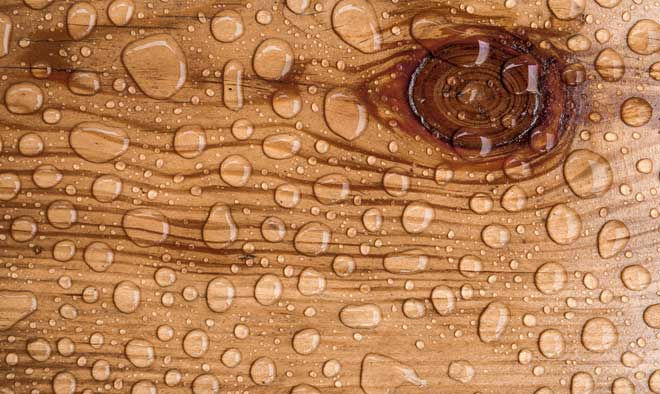
Solution (Surface Finish): Use a cleaner developed specifically for urethane finishes. For stubborn spots, scrub using a cleaner and a scrub pad made for urethane floors.
Problem: Heel Scuffs
Solution (Wax or Penetrating Stain): Rub in a small amount of wax with fine steel wool and hand buff to a shine.
Solution (Surface Finish): Use a cleaner developed specifically for urethane finishes. For stubborn spots, scrub using a cleaner and a scrub pad made for urethane floors.
Problem: Mold or Mildew
Solution (Wax or Penetrating Stain): Rub with a wood cleaner using a soft, clean cloth.
Solution (Surface Finish): Use a cleaner developed for urethane finishes. If the mold or mildew lies underneath the surface finish, sand and refinish the area.
Problem: Chewing Gum, Crayon, or Candle Wax
Solution (Wax or Penetrating Stain): Apply a plastic bag filled with ice until the deposit is brittle enough to crumble off. (Solvent-based wax can also be applied to loosen the deposit.) Remove crayon or candle wax by placing an ink blotter on the wax and applying a hot pressing iron to the top of the blotter.
Weighing species, pattern or finish? Talk it through with Joe Avila.

Solution (Surface Finish): Apply a plastic bag filled with ice on top of the deposit until it is brittle enough to crumble off. Clean the area with a product made for urethane finishes.
Problem: Oil and Grease Stains
Solution (Wax or Penetrating Stain): First rub area with kitchen soap having a high lye content or saturate cotton with hydrogen peroxide and place over the stain. Then saturate a second layer of cotton with ammonia and place over the first. Repeat until stain is removed. Let the area dry and then hand buff.
Solution (Surface Finish): Use a cleaner developed specifically for urethane finishes. For stubborn spots, scrub using a cleaner and a scrub pad made for urethane floors.
Problem: Dark Spots and Ink Stains
Solution (Wax or Penetrating Stain): Rub the spot with #000 steel wool and wax. If this fails, lightly sand with fine sandpaper and clean the area using #00 steel wool and mineral spirits or a wood floor cleaner. Allow the floor to dry, then stain, wax, and hand buff. If the spot remains, apply a household bleach or vinegar and allow it to soak for an hour. Rinse with a damp cloth, wipe dry and smooth with fine sandpaper. Stain, wax and hand buff.

Solution (Surface Finish): Use a cleaner developed specifically for urethane finishes. For stubborn spots, scrub using a cleaner and a scrub pad made for urethane floors.
Problem: Wax Buildup
Solution (Wax or Penetrating Stain): Strip the old wax away with odorless mineral spirits or a wood floor product made for stripping wax. Use cloth and fine steel wool to remove all residue. After the floor is dry, wax and buff.
Solution (Surface Finish): Not applicable.
Problem: High Heel Shoe Dents
Solution (Wax or Penetrating Stain): Requires professional repair.
Solution (Surface Finish): Requires professional repair.
Quick Answers
How do I fix scratches on a polyurethane-finished floor? Use a touch-up kit made for urethane finishes, available from wood flooring retailers.
How do I remove chewing gum or candle wax? Hold a bag of ice on the deposit until it is brittle enough to crumble off, then clean with a product made for the finish.
Which way should I work when removing a stain? Start at the outer edge of the stain and work toward the middle.
Can high-heel dents be repaired at home? No. Dents from high heels need a professional repair.
Talk to a Palm Beach Wood Flooring Specialist
Call Joe Avila at 908-232-6600 (9 a.m. to 5 p.m. Eastern), email joe@hugginsflooring.com or book a virtual consultation. You can also explore inspections and consultations, wood flooring samples and our collections.
About The Author
Joe Avila leads Palm Beach Wood Floors, a Huggins Wood Floor Specialist brand, and brings 26 years of hands-on wood flooring experience. He is an NWFA-certified wood flooring inspector, installer and sander, and for more than a decade he has taught accredited continuing education programs for AIA, ASID and IDCEC audiences, training thousands of architects and design professionals in the proper specification of wood flooring.


Comments